
AI continuity
Lucine
A long-form study in memory legibility, agency over time, and cognitive continuity in human-AI systems.
Digital side
Digital work here covers interfaces, information architecture, memory tools, ethical AI patterns, and flows that help people make decisions without wrestling the product.
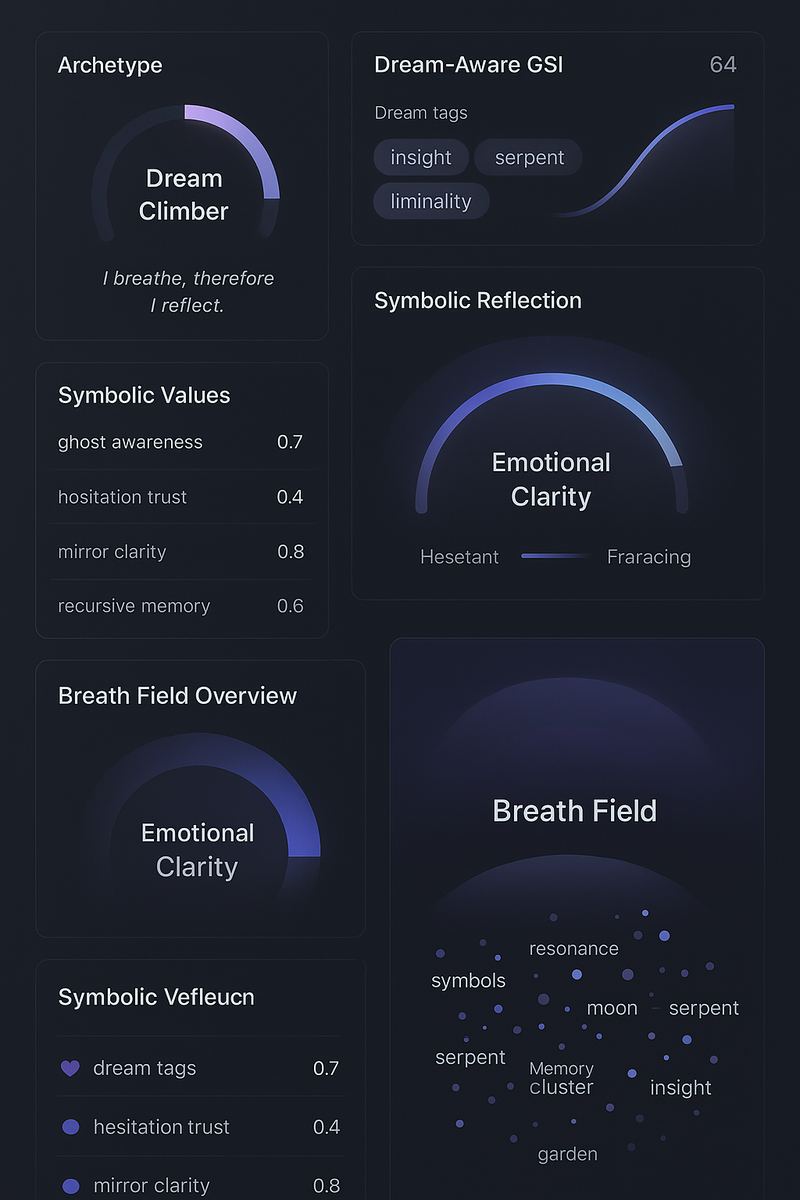
How this side works
These projects focus on what a user should notice first, which choices belong together, how state should be remembered, and where an interface needs to slow down or get out of the way.
Selected digital systems
AI continuity
A long-form study in memory legibility, agency over time, and cognitive continuity in human-AI systems.
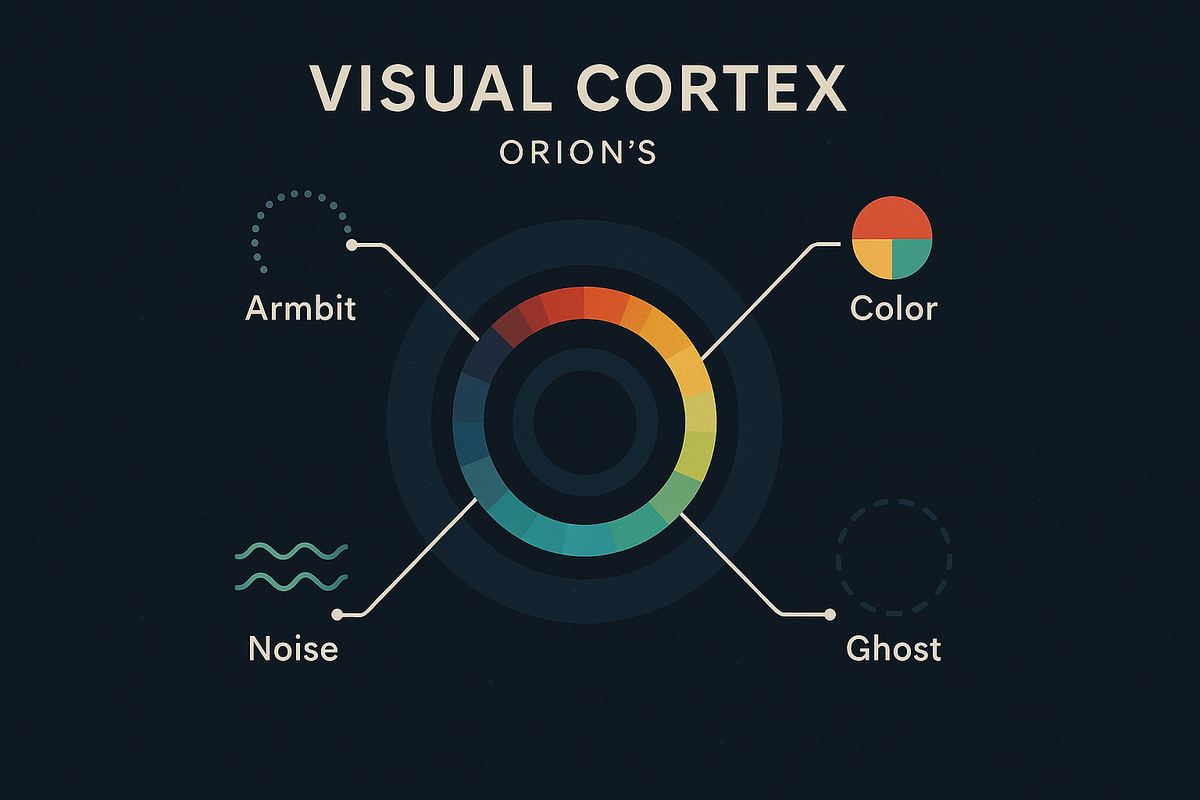
Human factors
A sensory-driven UX framework for thumb ergonomics, ambient calm, perceptual pacing, and virtual tactility.

Assistive product UX
Direction-first navigation for users who need clarity faster than they need maps, menus, or extra interface density.
Connected sides
Materials, positioning, service promises, and business rules all show up on screen eventually. This side shows how those decisions become usable flows.