
AI continuity
Lucine - Cognitive Continuity in Human-AI Systems
Readable thread state, visible memory, and a clear path back into the conversation after interruption.
Case-study shelf
These pages are organized around the behavior each system proves: how it holds state, what it makes visible, where it reduces friction, and how a user gets back in.
Why this category exists
The shelf keeps the archive quick to scan while giving larger projects enough room for context, tradeoffs, evidence, and the decisions behind the final direction.
Long-form studies
Continuity, memory, and judgment
These cases prove that the user can re-enter, inspect, and correct the system without losing the thread.
AI continuity
Readable thread state, visible memory, and a clear path back into the conversation after interruption.
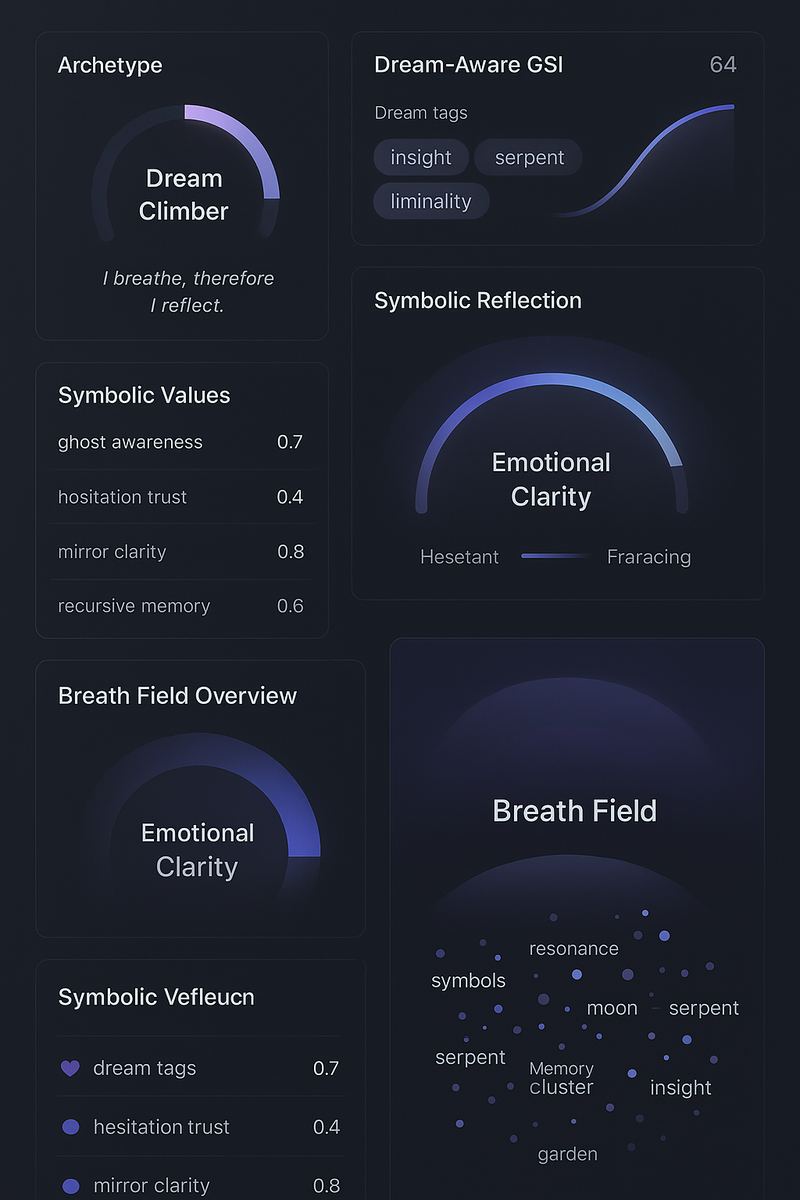
Memory and retrieval
Controlled recall, visible boundaries, and selective forgetting instead of total retention.
Decision architecture
Clear decision state, risk pacing, and inspection after the choice is made.

System identity
Stable product signal, calm surface, and continuity across every Lucine touchpoint.
Physical systems and human factors
These projects prove that the body, the object, and the path through the system all need to be readable at once.
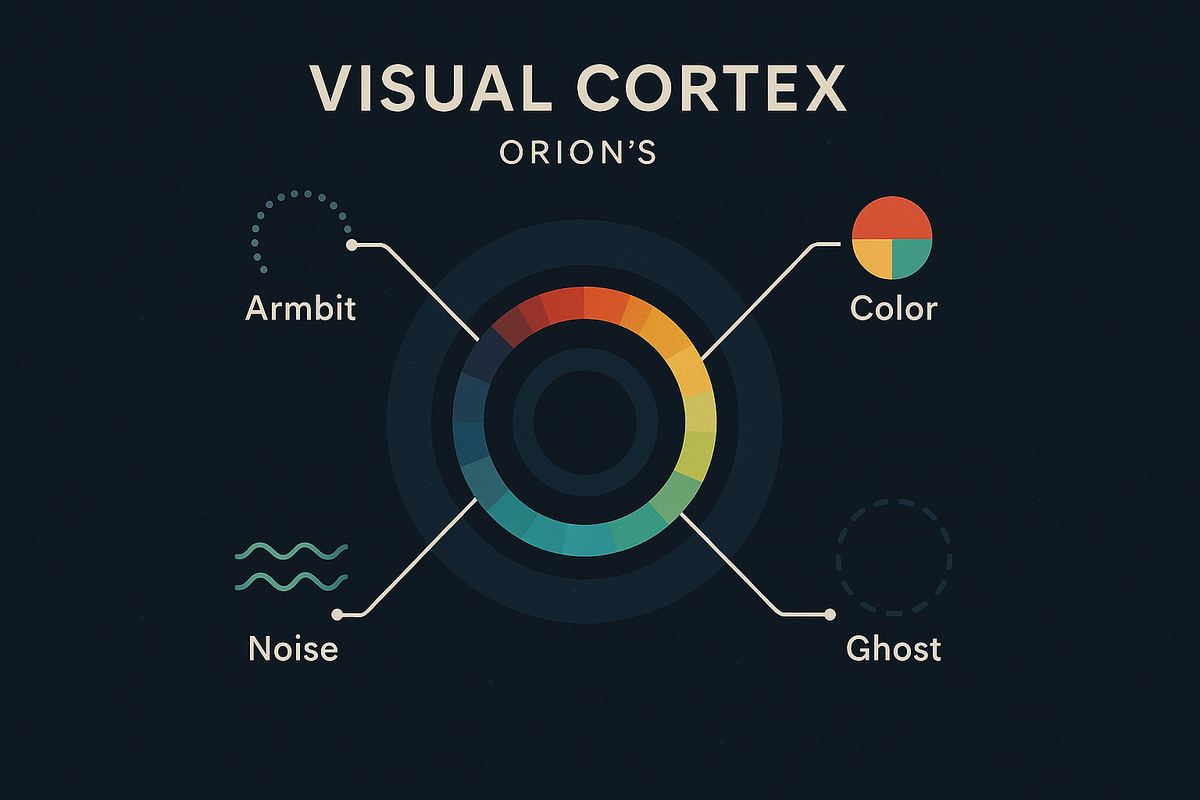
Human factors
Thumb reach, calm pacing, and one-handed control without forcing a grip change.

Assistive product UX
One cue at a time, legible in motion, with less map parsing and less uncertainty.
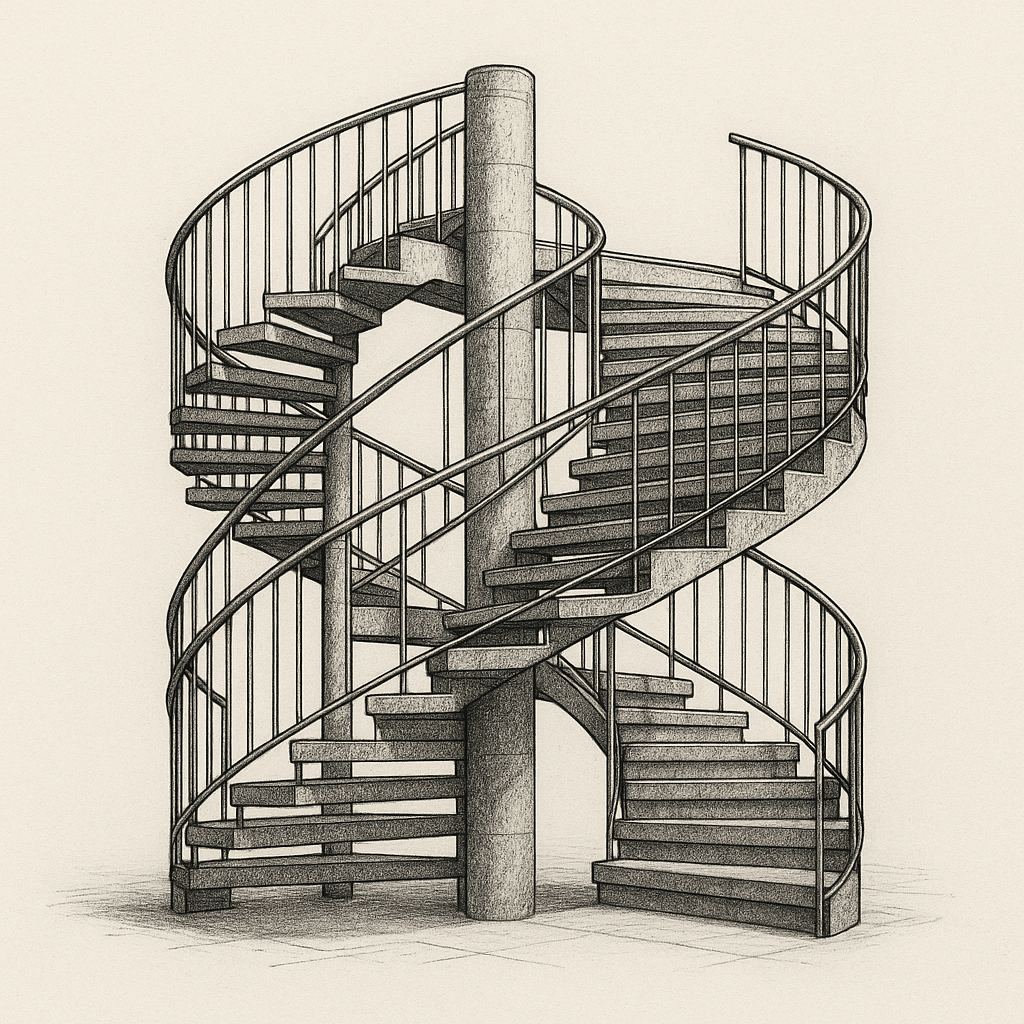
Spatial navigator
Branches, dependencies, return paths, and current position kept visible together.
Connected sides
The shelf is meant to make the work easier to read: what behavior it proves, what problem it solves, and what tradeoff sits underneath the surface.